Key Features To Evaluate When Choosing Frames & Trusses In Newcastle
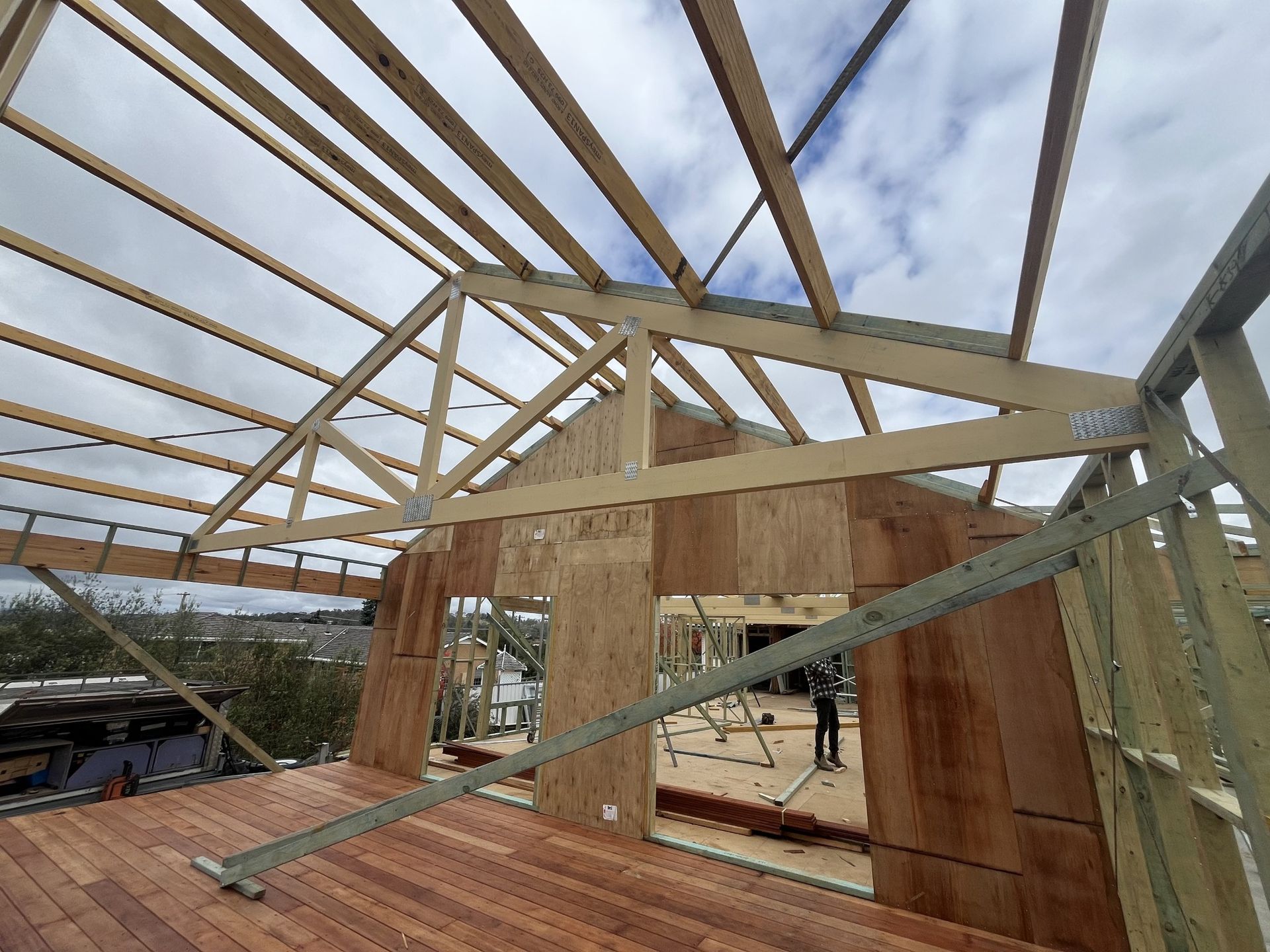
The decision to lock in a supplier for frames and trusses is rarely as straightforward as it seems on paper. Two quotes might look similar in price, yet the structural outcomes, and the headaches along the way, can be worlds apart. For anyone navigating this choice on an upcoming build, understanding what actually separates a quality product from a mediocre one is the first step toward a project that goes to plan. Whether you're comparing truss frames in Newcastle or just beginning to evaluate your options, knowing what to look for makes a real difference before a single piece of timber lands on site.
Timber Quality Starts Before the Saw
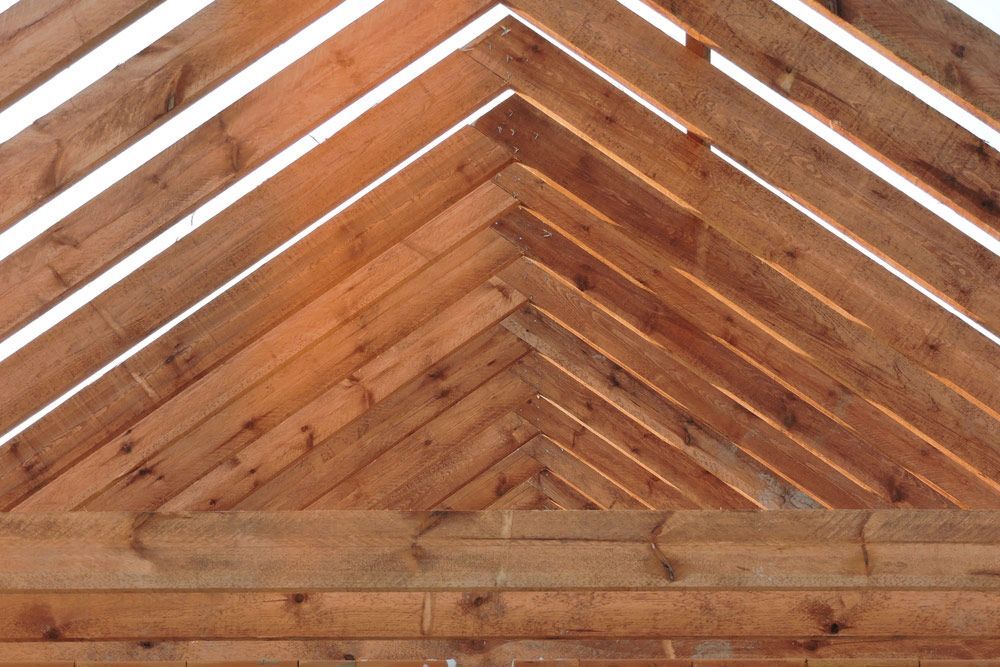
The grade of timber used in wall frames and roof trusses directly influences how a structure performs over its lifetime. Not all structural timber is equal, and the difference shows up in everything from how cleanly a frame squares up on site to how it holds up against moisture, seasonal movement and long-term load.
Here's what sets quality timber apart from the rest:
- Graded and tested to meet AS1684 and relevant National Construction Code requirements
- Sourced from reputable Australian suppliers with consistent moisture control during production
- Free from significant knots, bowing or green timber that can cause long-term shrinkage
- Treated appropriately for the build's exposure category and site conditions
Engineered Design Makes the Difference
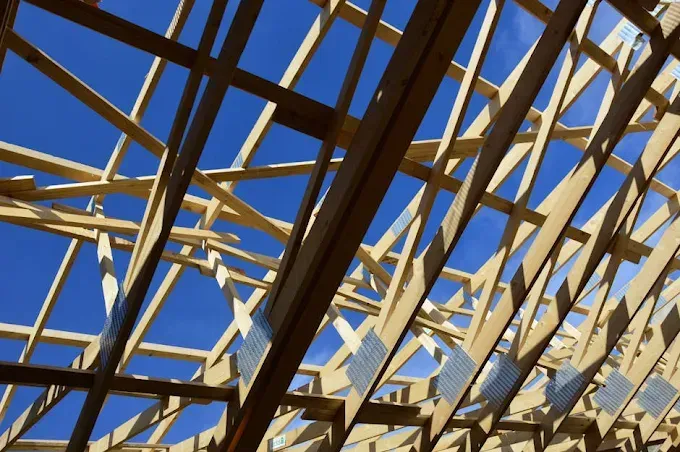
A truss that looks structurally sound to the eye may still be under-engineered for its actual load. Engineered design — backed by structural software modelling and stamped documentation — removes guesswork from the equation and ensures every component is fit for purpose.
Good engineering accounts for these critical factors:
- Roof pitch, span and load requirements specific to the building design
- Wind ratings applicable to the site's location and exposure classification
- Live loads such as rooftop equipment, solar panels or future roof access provisions
- Floor system interactions where trusses tie into LVLs, I-joists or floor bearers
Custom Fabrication Versus Off-the-Shelf
Pre-cut, standardised framing components may work for straightforward rectangular builds, but most residential and commercial projects involve angles, overhangs and rooflines that standard stock simply can't accommodate without compromise.
Custom fabrication delivers advantages that compound across the build:
- Frames arrive cut to your specific plans, reducing on-site modification time and waste
- Fewer gaps and mismatches between framing members at critical connection points
- Rooflines with hips, valleys and raking sections can be accommodated without field cutting
- Custom wall frames support consistent heights, reducing complications at fit-out and lining stages
Compliance Is Not Optional
Australian building standards aren't suggestions — they're the baseline every structural component must meet before a building certifier will sign off. Frames and trusses that fall short of AS1684 or the relevant engineering specifications create compliance risks that can halt a project mid-build and generate costly delays.
The compliance checklist worth confirming before ordering includes:
- Engineering certificates available for all trusses and structural components
- Products manufactured to NCC and AS1684 standards as a baseline minimum
- Council-specific requirements factored into the design where applicable
- Documentation packaged and ready for certifier review upon delivery
What Lead Times Actually Mean for Your Schedule
A supplier quoting a competitive price but carrying a four-week backlog can still blow a construction program. Lead times for frames and trusses need to align with your slab pour, lock-up milestones and trade sequencing — not the other way around.
Scheduling considerations worth raising with any supplier upfront:
- Turnaround time from plan approval to fabrication completion
- Whether the supplier manufactures in-house or subcontracts production to a third party
- Flexibility around staged deliveries to match build progress across multiple milestones
- Communication processes when lead times shift due to demand or material supply changes
Delivery and Crane Placement Matter More Than People Think
Getting frames and trusses to site is one thing — getting them placed accurately is another. Crane truck delivery with precise placement reduces the manual handling burden on your framing crew and limits the risk of damage to components during unloading and positioning.
The delivery factors that affect your build efficiency:
- Whether the supplier operates their own crane trucks or relies on subcontracted transport
- Ability to sequence deliveries to match the framing schedule stage by stage
- Site access requirements for crane trucks at your specific location
- Communication between the supplier's logistics team and your site supervisor ahead of delivery
The Value of Technical Support During a Build
Even well-designed frames occasionally produce questions on site — a connection detail that wasn't anticipated, a roofline that doesn't square up as expected, or documentation a certifier needs at short notice. A supplier who goes quiet after dispatch is not offering the same value as one who stays available throughout the build.
Technical support you should be able to count on:
- A direct point of contact beyond the sales stage for design clarification or compliance queries
- Responsiveness when questions arise during framing installation
- Willingness to review plans or supply additional documentation at short notice
- Demonstrated experience across residential, multi-unit and commercial project types
Sustainability and Local Manufacturing
Locally manufactured frames and trusses mean shorter supply chains, more predictable lead times and a reduced environmental footprint compared to components shipped from interstate or overseas. For builders and developers who factor sustainability into project decisions, the provenance of materials genuinely matters.
Key sustainability factors worth considering when evaluating a supplier:
- Timber sourced from responsibly managed Australian forests
- Reduced transport distances when manufacturing is local to the build region
- Waste minimisation through precision cutting carried out in a controlled factory environment
- Alignment with any project sustainability ratings or green building targets
Talk to Our Team Before You Order
We at Trussted Frames & Trusses work with builders, owner-builders and developers across Newcastle and the broader Hunter Region — and we understand the structural, logistical and compliance demands that come with building in this part of New South Wales. From complex rooflines and multi-unit projects to straightforward residential frames, we manufacture locally using premium Australian timber and back every order with genuine technical support from our in-house team. If you're evaluating your options for roof frames in Newcastle or comparing suppliers for an upcoming project, we'd welcome the conversation. Call us, submit an enquiry online or bring your plans along, and let's make sure your frames and trusses are right before anything hits the ground.